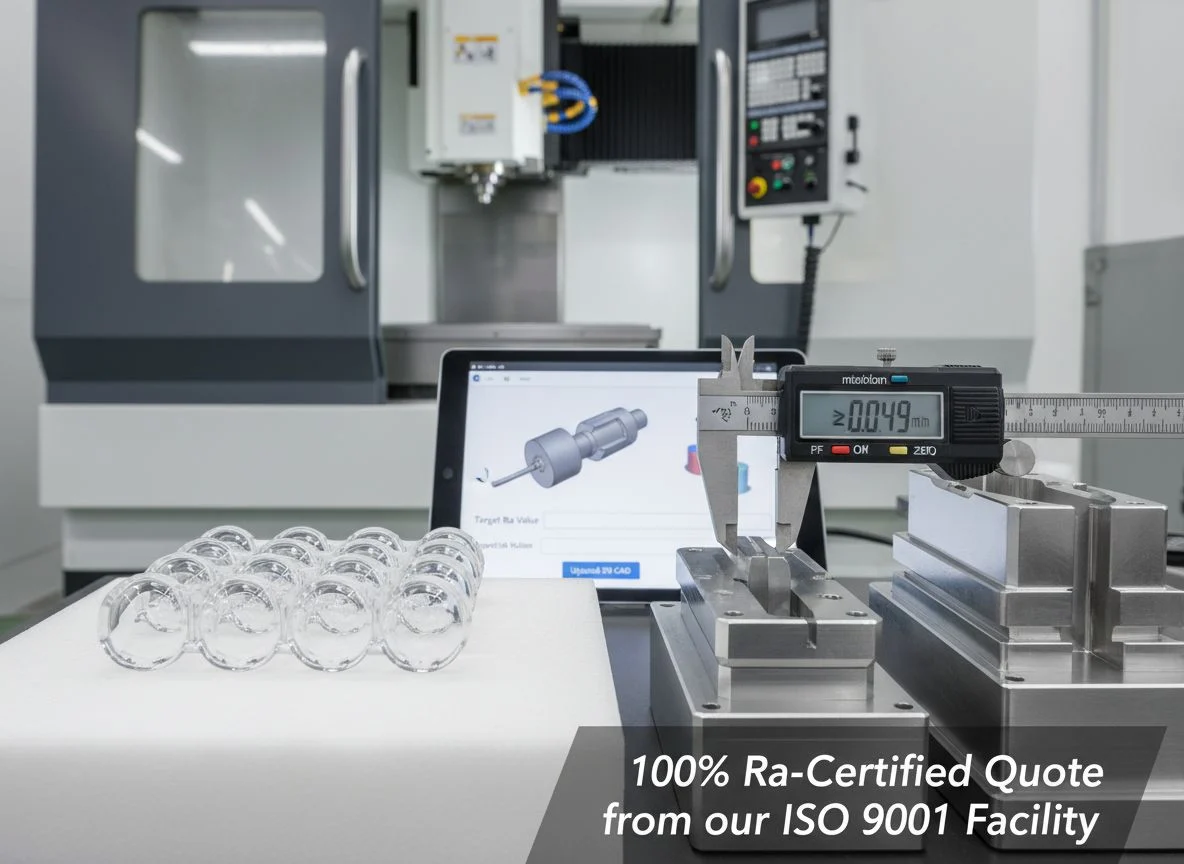
Premium CNC Machining Part Polishing Services
Achieve Ra < 0.05µm mirror finishes with Dimensional Integrity Polishing. We remove tool marks while strictly maintaining tolerances for metals and optical-grade plastics. Learn more about our process or contact us for details.
Premium CNC Machining
Part Polishing Services
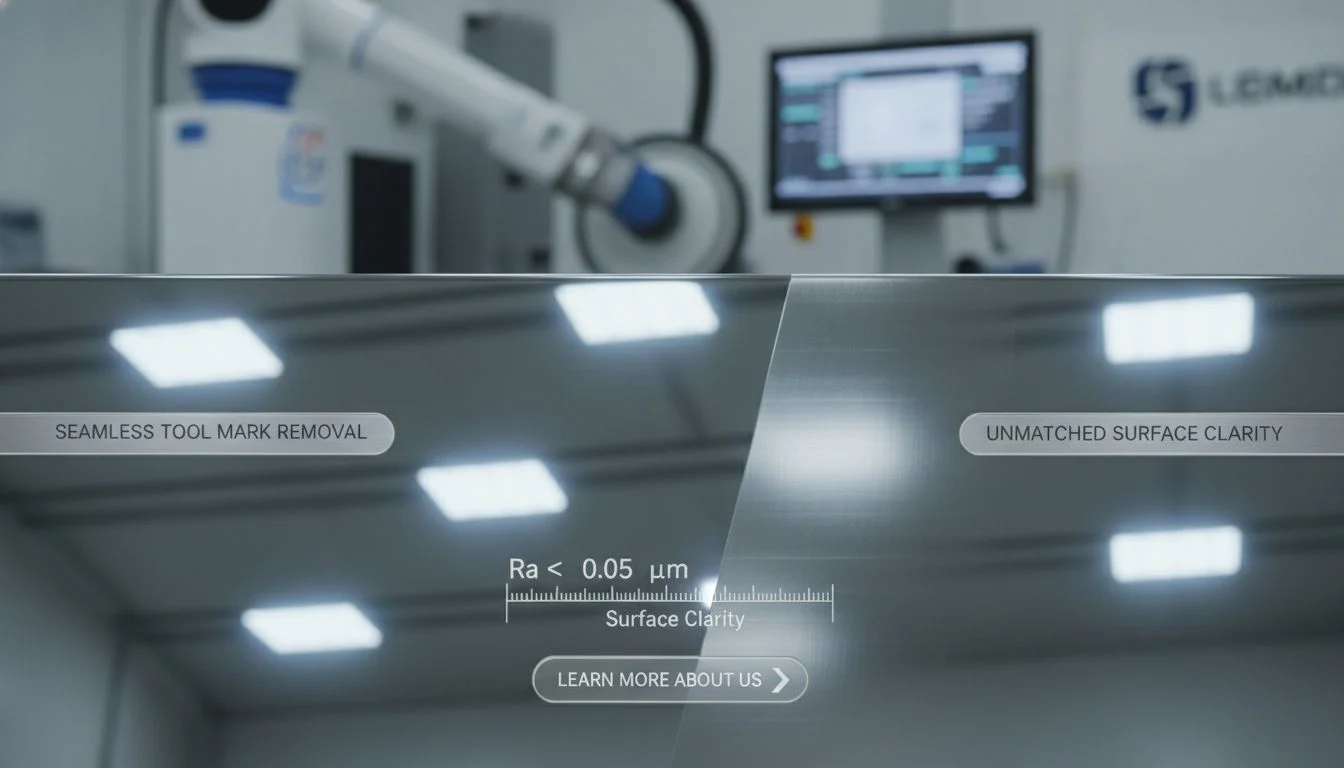
From seamless tool mark removal to optical-grade mirror finishes (Ra < 0.05µm). We combine master craftsmanship with automated precision technology, achieving 99.8% defect-free yields for unmatched surface clarity without compromising your critical dimensional tolerances. Learn more on our about page.
The Science of Controlled Polishing
Precision engineering that focuses on protecting every micron of your design intent.
Dimensional Integrity
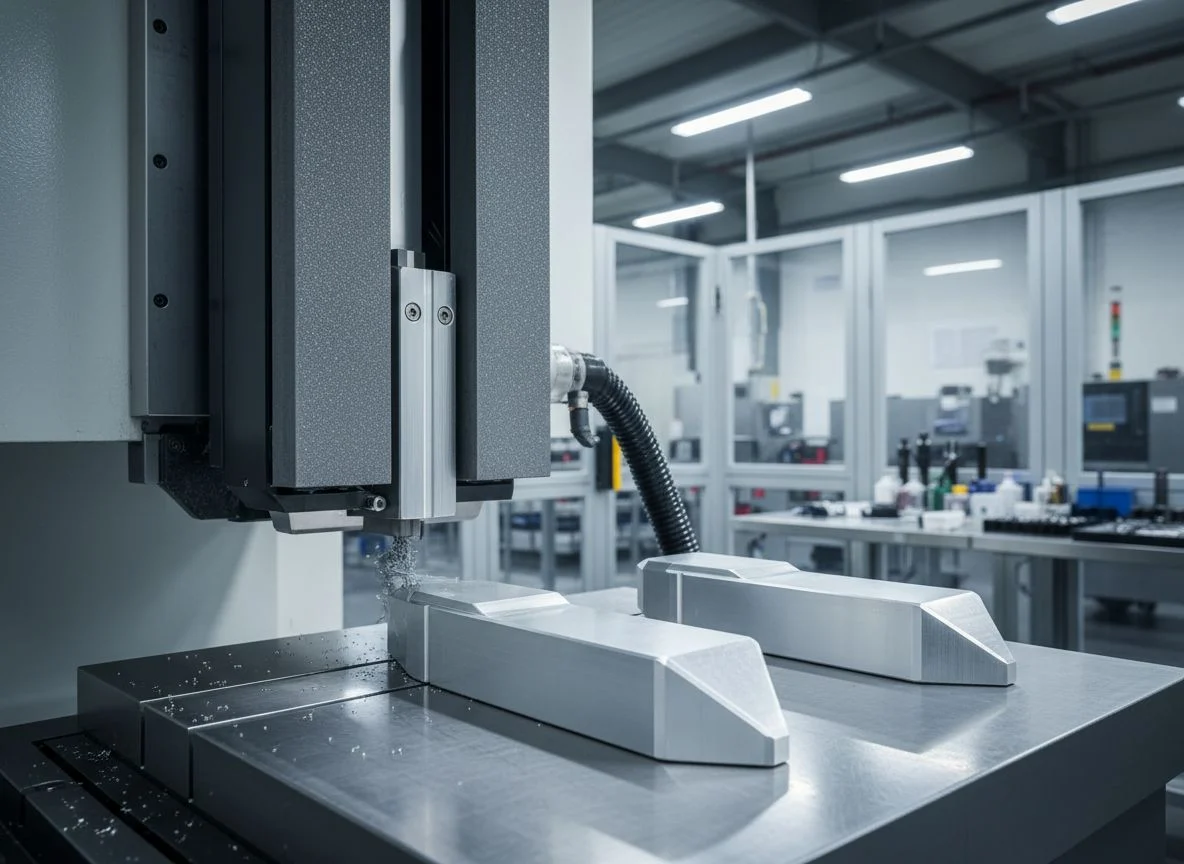
Standard buffing risks undersized parts. ProtoBatch employs strictly limited material removal to ensure precision shafts and bearing seats remain within their specified tolerance zones.
Geometric Fidelity
Avoid the "soap-bar" effect. By utilizing custom rigid abrasives, we preserve crisp edges and geometric profiles within 0.01mm tolerances, preventing 99% of assembly failures caused by unintended edge rounding.
Repeatable Surface Ra
We eliminate surface waviness through multi-stage grit refinement. Whether you need a satin brush or a Ra 0.05µm mirror finish, our results are consistent across every batch.
Precision Polishing Standards: From Brushed to Mirror
Level 1: Machining Mark Removal
Eliminate visible tool paths and burrs to achieve a uniform Ra 0.8 - 1.6µm base. This smoothing stage is essential for industrial functional parts and optimal coating adhesion, especially after CNC machining.
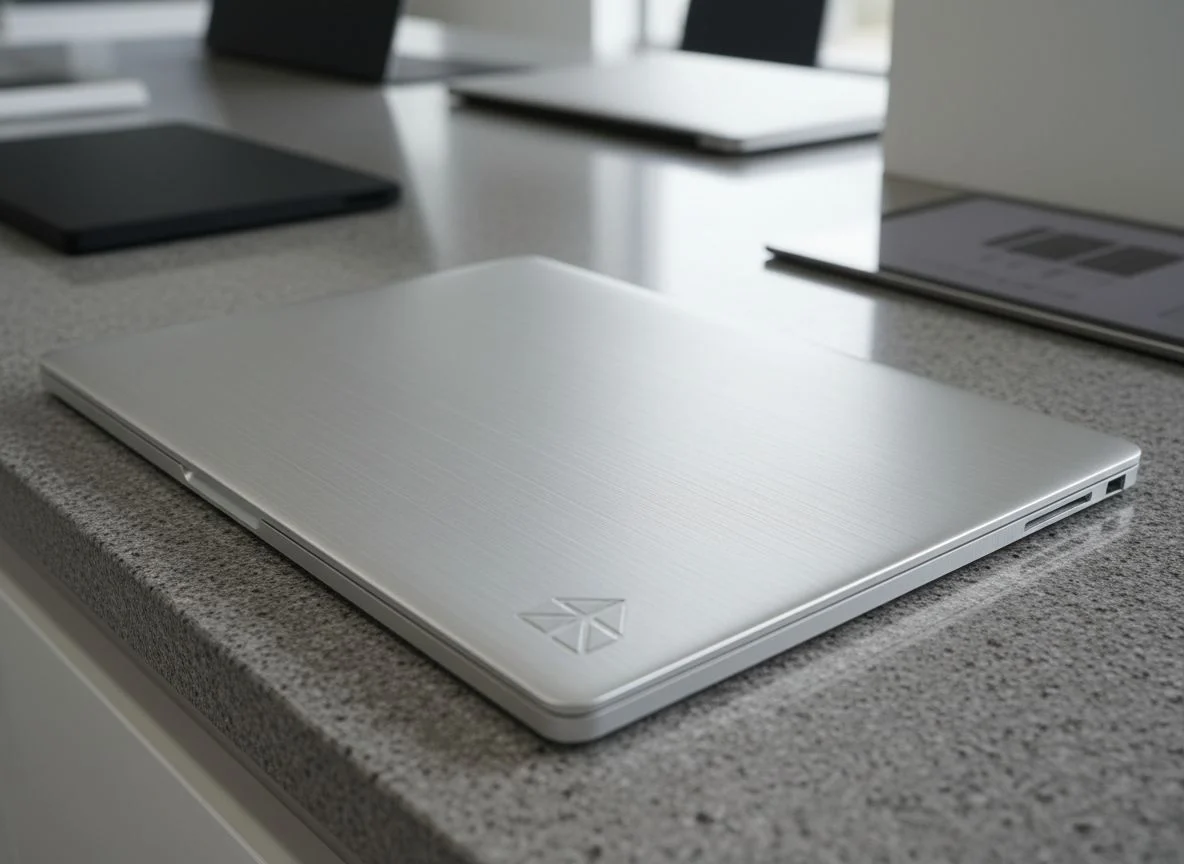
Level 2: Satin & Brushed Finish
Achieve a sophisticated, low-glare aesthetic with consistent directional grain. Targeting Ra 0.4 - 0.8µm, it is the standard for high-end consumer hardware and electronic housings.
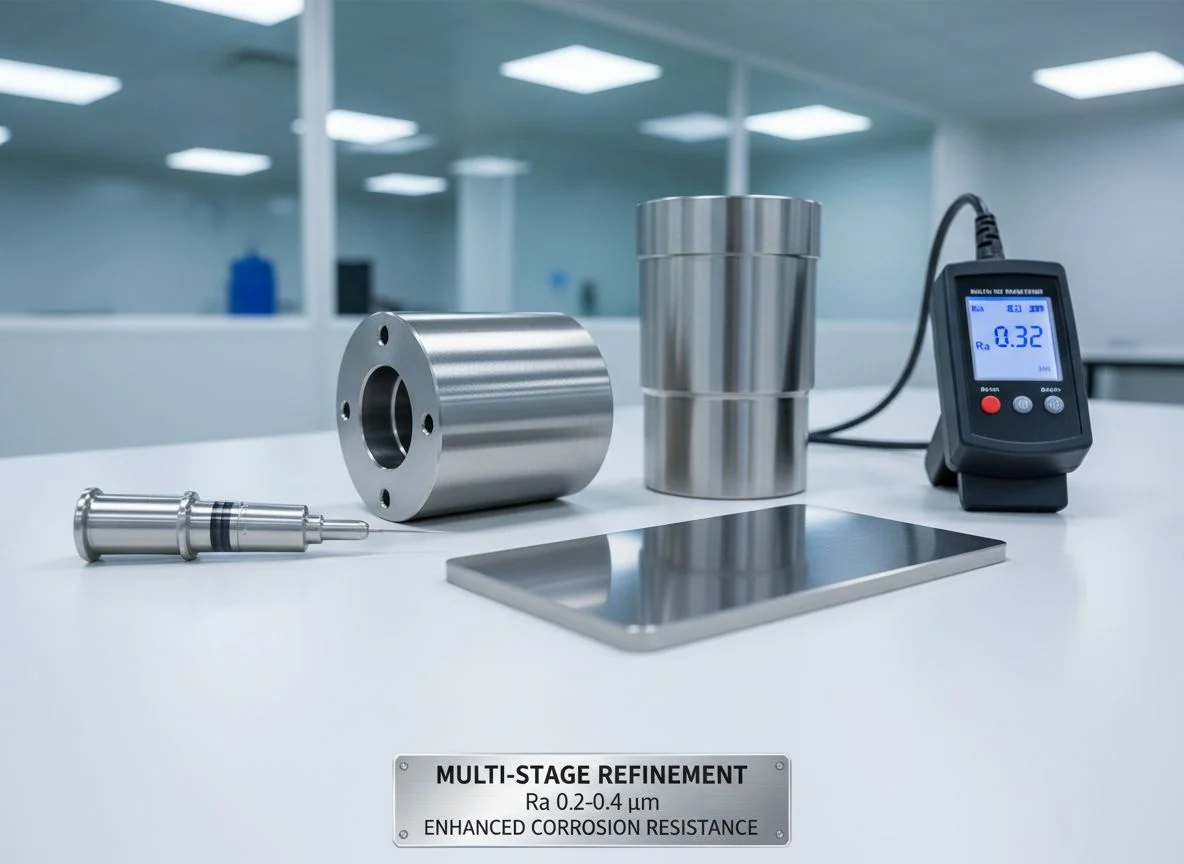
Level 3: Fine Polish & Buffing
Multi-stage refinement to remove all visible scratches, resulting in a smooth sheen. Reaching Ra 0.2 - 0.4µm, this finish enhances corrosion resistance for medical and food-grade components.
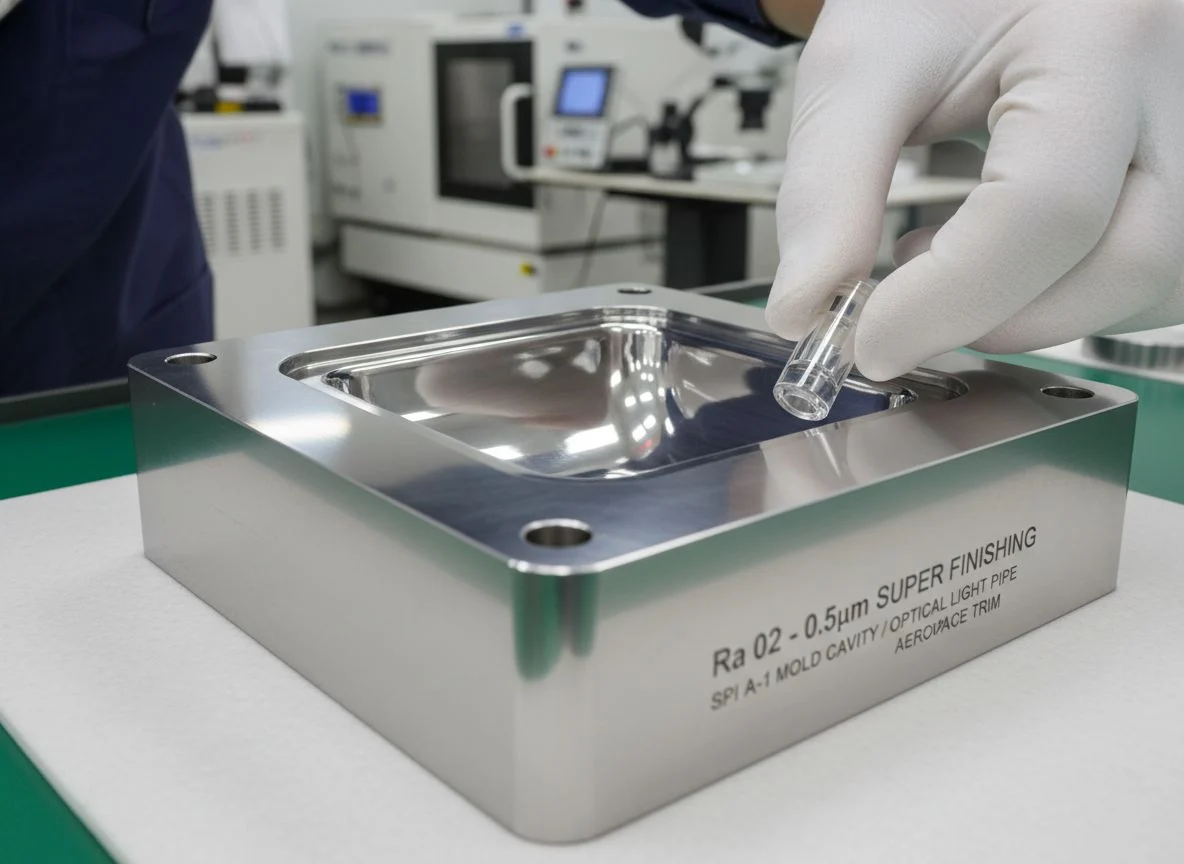
Level 4: Mirror & Optical Polish
Our highest "Super Finishing" level, delivering a distortion-free, reflective surface at Ra 0.02 - 0.05µm. Engineered for SPI A-1 mold cavities, optical light pipes, and aerospace trim.
Metal Polishing Techniques:
Engineering High-Performance Luster
Mechanical Polishing & Buffing
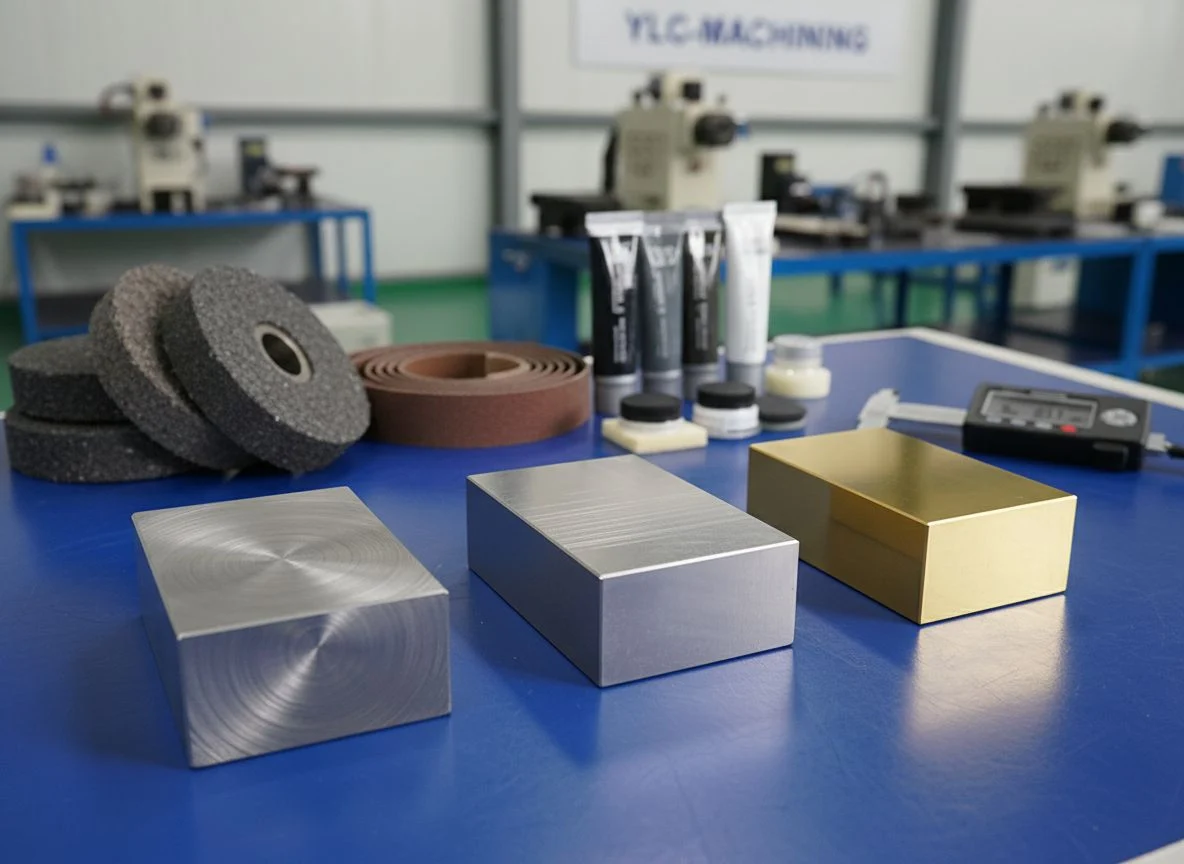
We utilize precision abrasive wheels, belts, and diamond pastes to eliminate CNC tool marks. Our multi-stage process transitions from heavy stock removal to fine buffing, achieving Ra levels down to 0.1µm on Aluminum, Stainless Steel, and Brass while maintaining strict dimensional integrity.
Electropolishing & Passivation
By electrochemically removing microscopic peaks, we achieve a burr-free, "sanitary finish" on 304 and 316L Stainless Steel. This process maximizes corrosion resistance and provides a mirror-like shine in complex internal geometries where mechanical tools cannot reach.
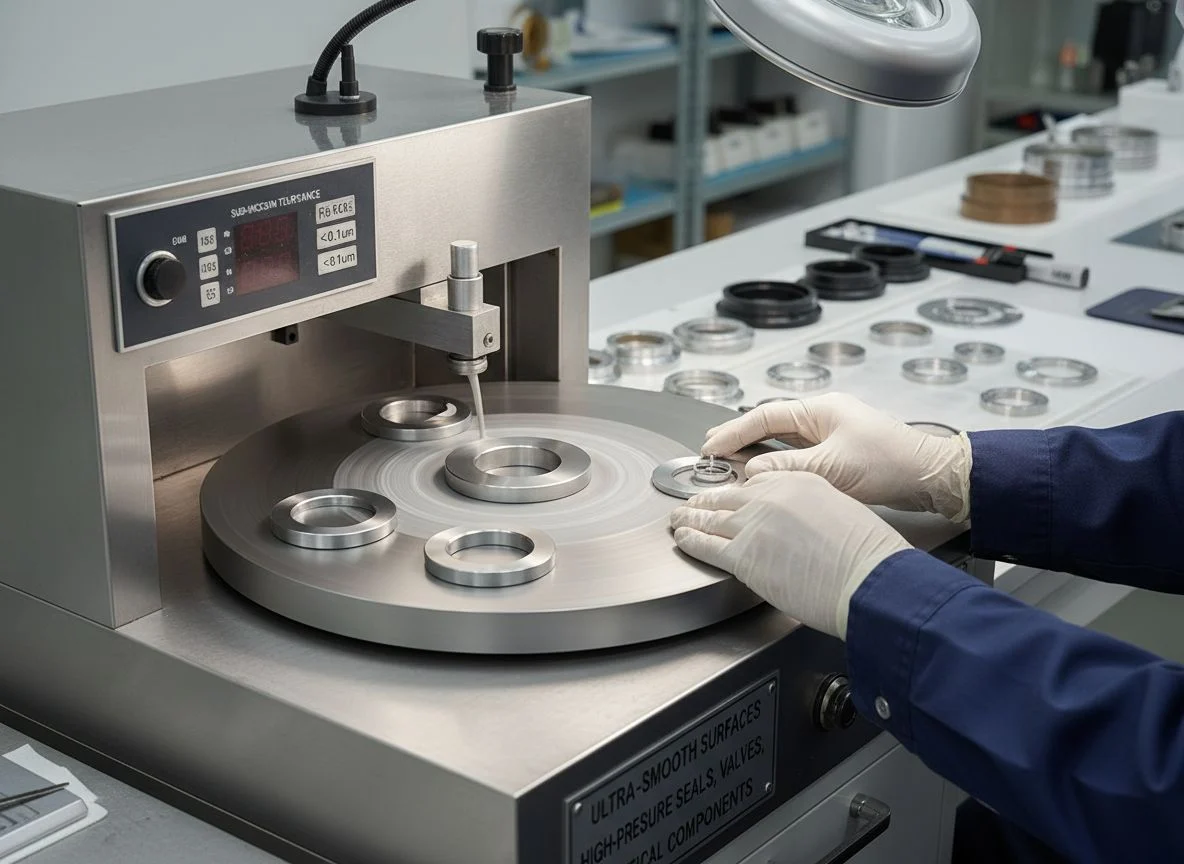
Precision Flat Lapping
For components requiring extreme flatness and sub-micron tolerances, our lapping services utilize fine-grain abrasives to produce ultra-smooth, uniform surfaces. It is the preferred method for high-pressure seals, valves, and optical-grade mating parts.
Mirror Finish & SPI Standards
Our hard luster finishing (SPI A-1/A-2) delivers a distortion-free, high-gloss surface with Ra values as low as 0.02µm. Essential for medical implants and injection mold cavities, this technique ensures a premium aesthetic and superior wear resistance.
ylc-machining delivers expert metal finishing solutions customized for precision manufacturing. Achieve 99.9% accuracy and 0.1 Ra surface perfection with our advanced, data-driven CNC polishing technologies.
Advanced Plastic Polishing for Optical-Grade Transparency
Vapor Polishing Services
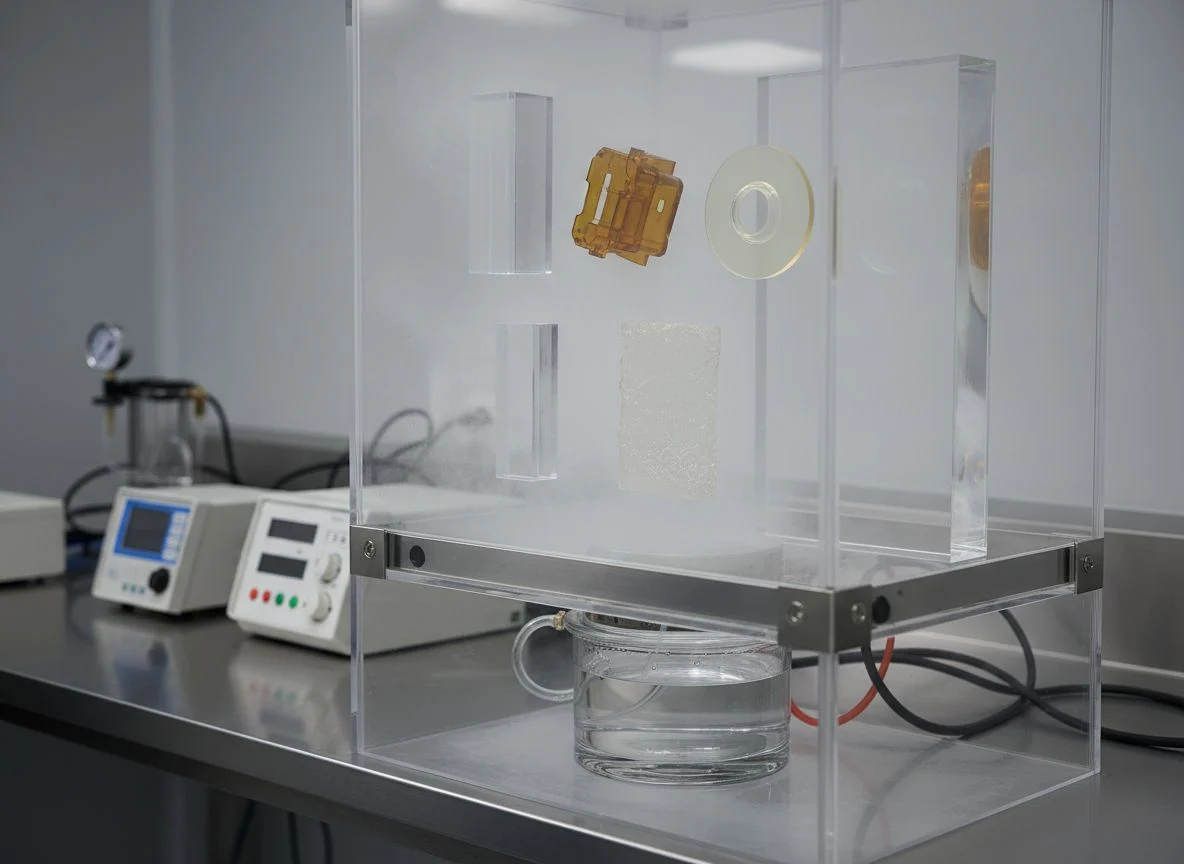
Vapor polishing utilizes specialized solvent vapors to chemically liquefy the surface of plastics like Polycarbonate (PC) plastic, Ultem, and Polysulfone. This process creates a "water-clear" finish without the risk of mechanical scratches or stress.
It is the preferred method for achieving internal channel transparency and clarifying complex geometries in medical manifolds, light pipes, and high-performance fluidic components.
Acrylic Flame Polishing
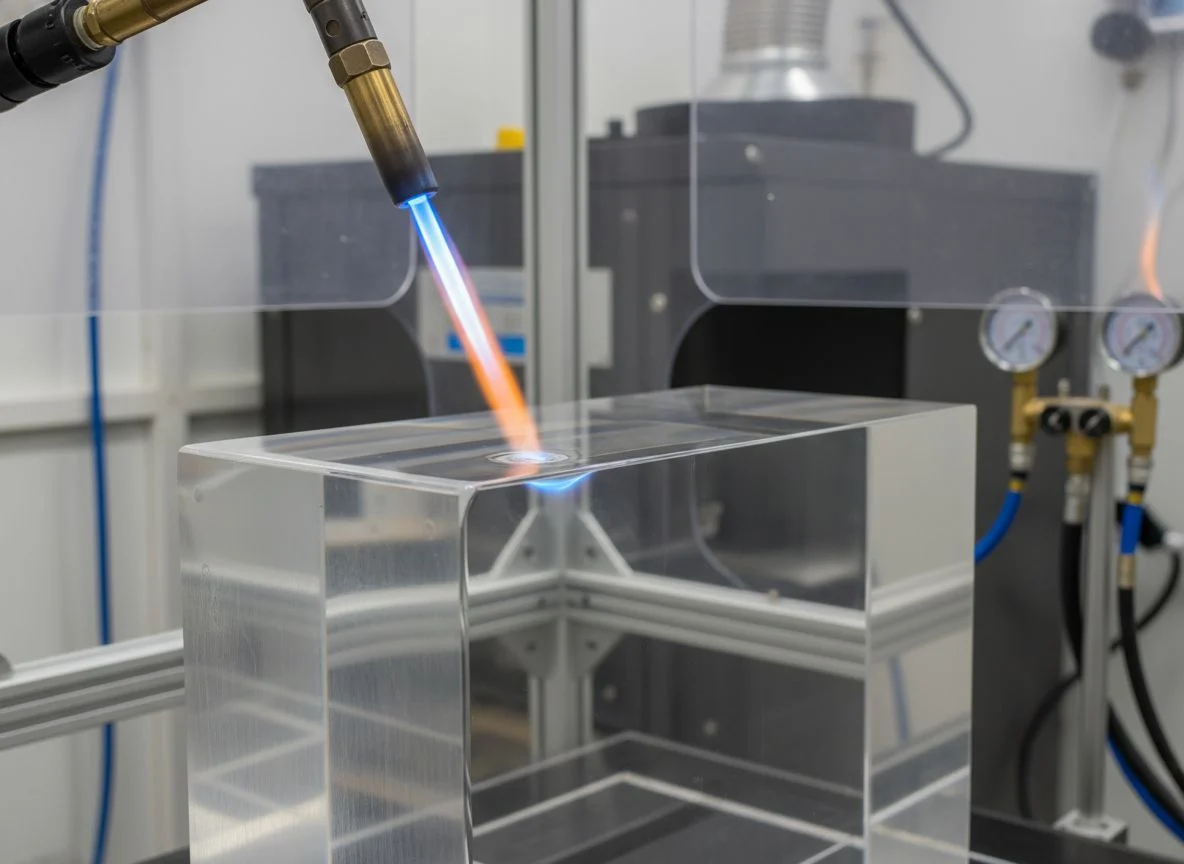
Flame polishing employs a 2800°C hydrogen-oxygen torch to melt the surface layer of Acrylic (PMMA) parts. The resulting surface tension creates a glass-like, high-gloss finish that eliminates machine marks, restoring >92% light transmission and Ra <0.2μm roughness.
Ideal for flat surfaces and external edges, this technique provides a cost-effective solution for rapid prototyping of optical lenses, displays, and decorative CNC plastic components.
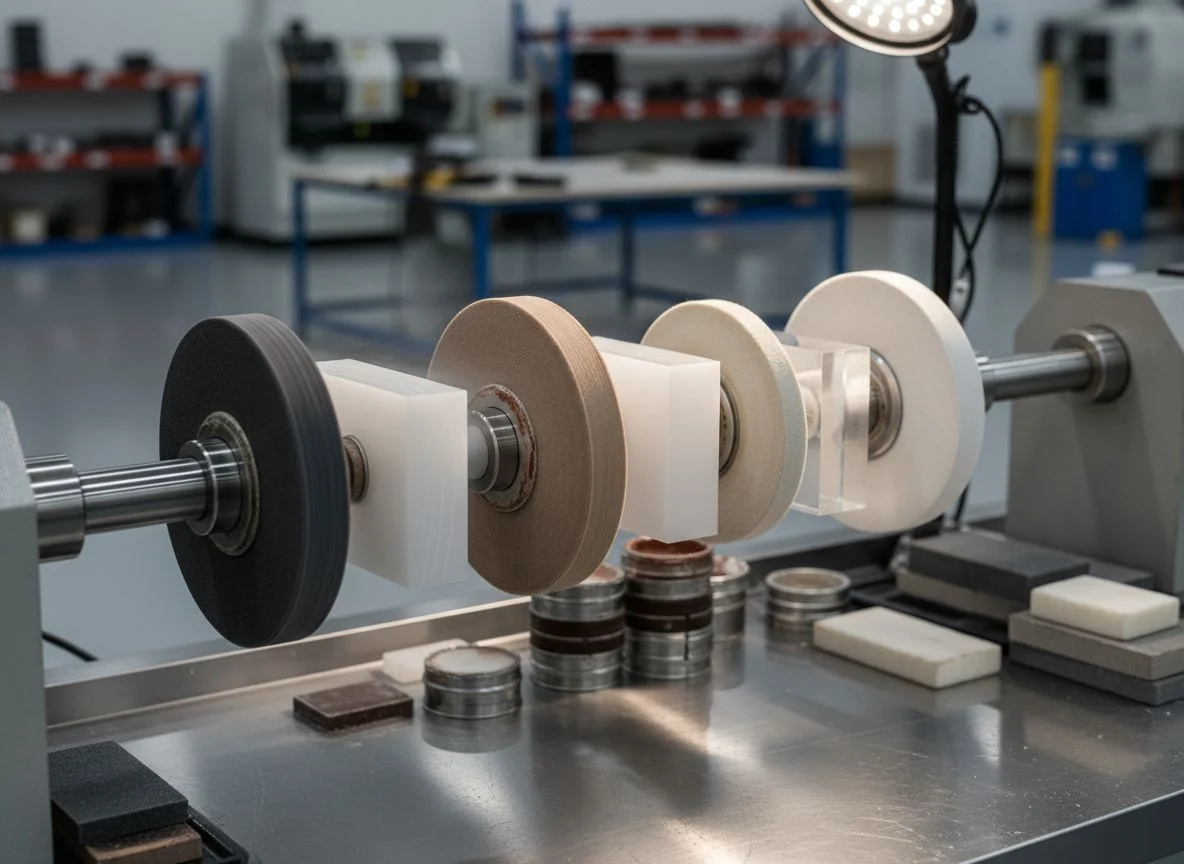
Mechanical Buffing & Compounding
Mechanical buffing uses multi-stage rotary wheels and specialized polishing waxes to smooth machined plastic surfaces. We transition through precise grit levels to eliminate 99% of CNC tool marks, restoring a brilliant, haze-free 0.2μm Ra luster.
Suitable for a wide range of materials including Acrylic and PC, buffing allows for precise manual control to achieve Ra 0.1–0.4 finishes while preserving critical part dimensions.
Material Mastery: Tailored Polishing for Peak Performance
Achieving a perfect mirror finish requires a deep understanding of material metallurgy and polymer science. ProtoBatch adapts polishing parameters—from abrasive grit to heat management—to the unique properties of each substrate, ensuring Ra consistency and dimensional integrity.
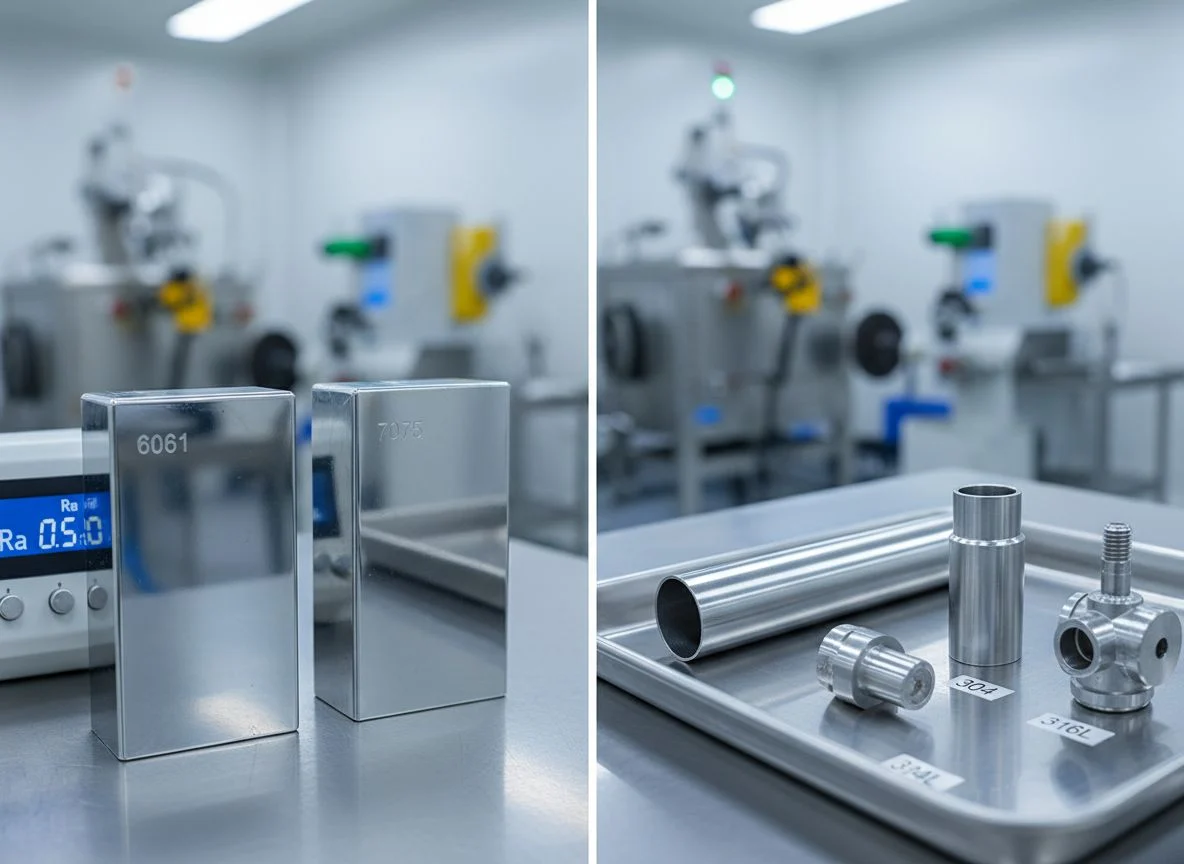
Aluminum & Stainless Steel
ylc-machining achieves Ra 0.05 mirror finishes on Aluminum 6061/7075, increasing oxidation resistance by 40%. For Stainless Steel 304/316L, we combine mechanical buffing with electropolishing to surpass sanitary, medical-grade standards, holding critical ±0.002mm tolerances at 99.9% yield.
Titanium & Brass
Titanium polishing utilizes specialized diamond pastes and strict thermal control to avoid surface hardening. For Brass and Copper decorative components, we deliver high-reflectivity, blemish-free surfaces ready for clear coating or plating.
Copper & Transparent Plastics
We specialize in optical-grade clarity for PC, PMMA, and PSU. Utilizing vapor polishing and specialized buffing, we eliminate machining haze and internal tool marks to achieve water-clear transparency for light pipes and lenses.
Substrate-Specific Compounds
We use material-matched abrasives to prevent pitting, guaranteeing 99.9% uniform surface roughness under 0.4μm Ra across batches.
Thermal & Pressure Control
Precision monitoring during CNC buffing eliminates 99% of part warping and "orange peel" surface defects.
Optical Quality Assurance
Rigorous optical inspection under specialized light boxes guarantees 0% haze and 99.9% light transmission.
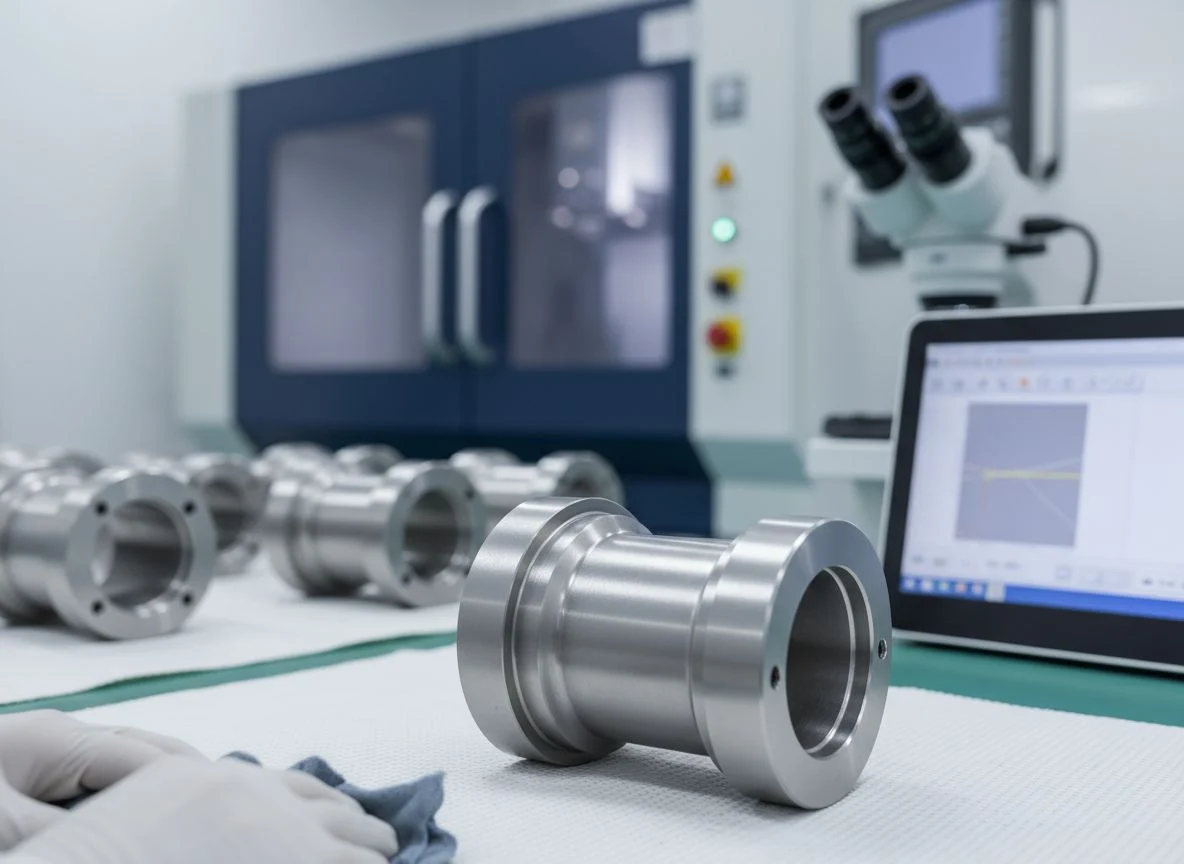
Precision Masking & Ultrasonic Cleaning
Protecting critical CNC dimensions is as vital as achieving flawless surface finishes. Our experts utilize advanced masking techniques and 5-stage ultrasonic cleaning to ensure precision polishing targets exact zones, maintaining ±0.001" tolerances with a 99.9% yield rate. Discover our engineering background and 100% commitment to defect-free quality.
- Specialized masking to protect threads, bearing seats, and mating surfaces
- Custom-engineered fixtures to prevent edge rounding on sharp geometries
- High-frequency ultrasonic baths to eliminate all polishing compound residue
- Ensures a "Ready-to-Assemble" state for medical and optical components
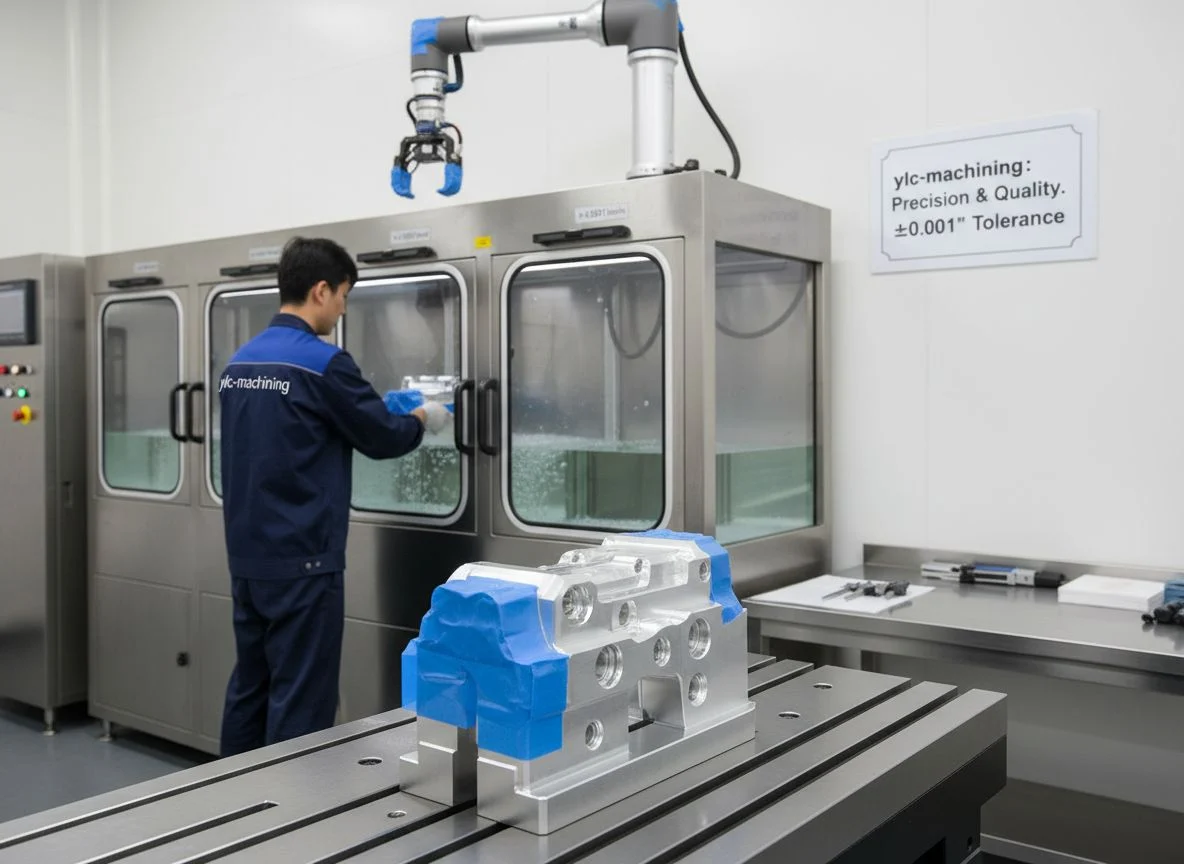
Integrated Protection & Decontamination Process
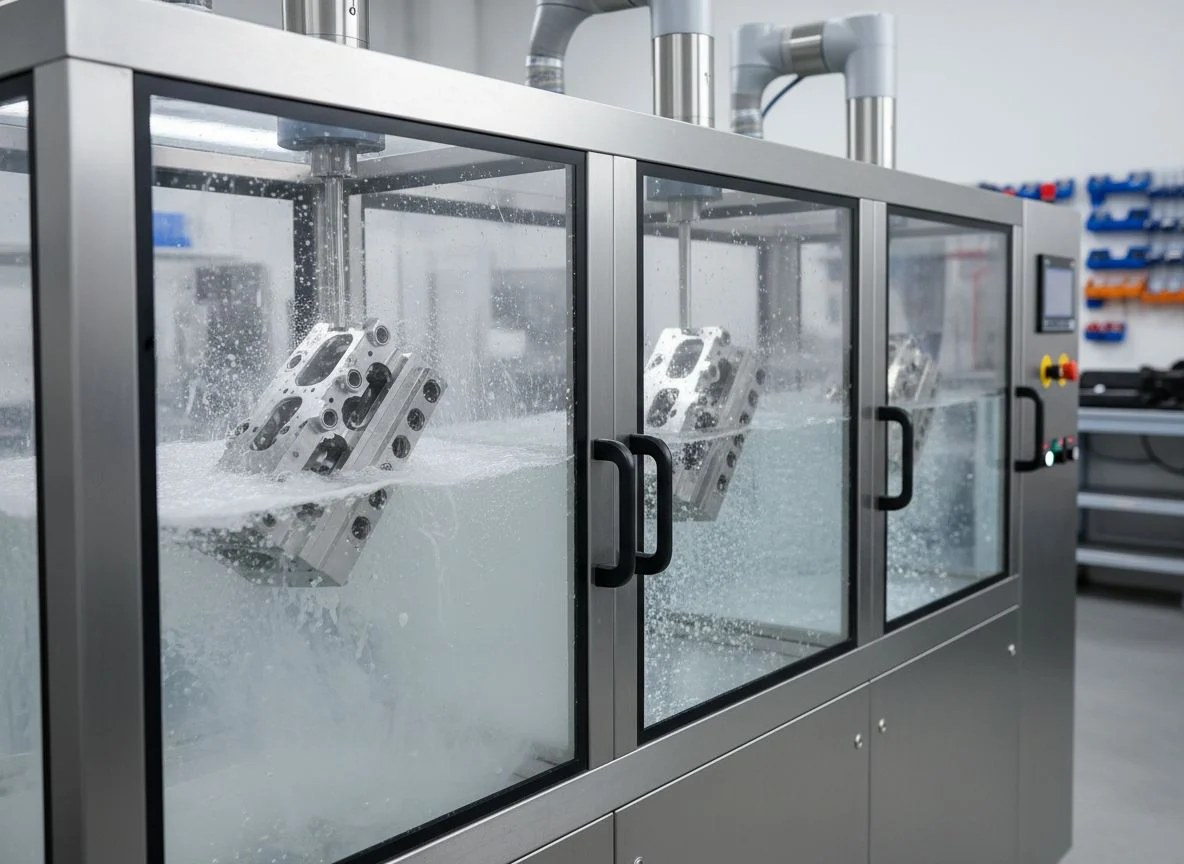
Residue Removal
Our multi-stage ultrasonic cleaning strips away polishing waxes and abrasive pastes from blind holes and internal channels.
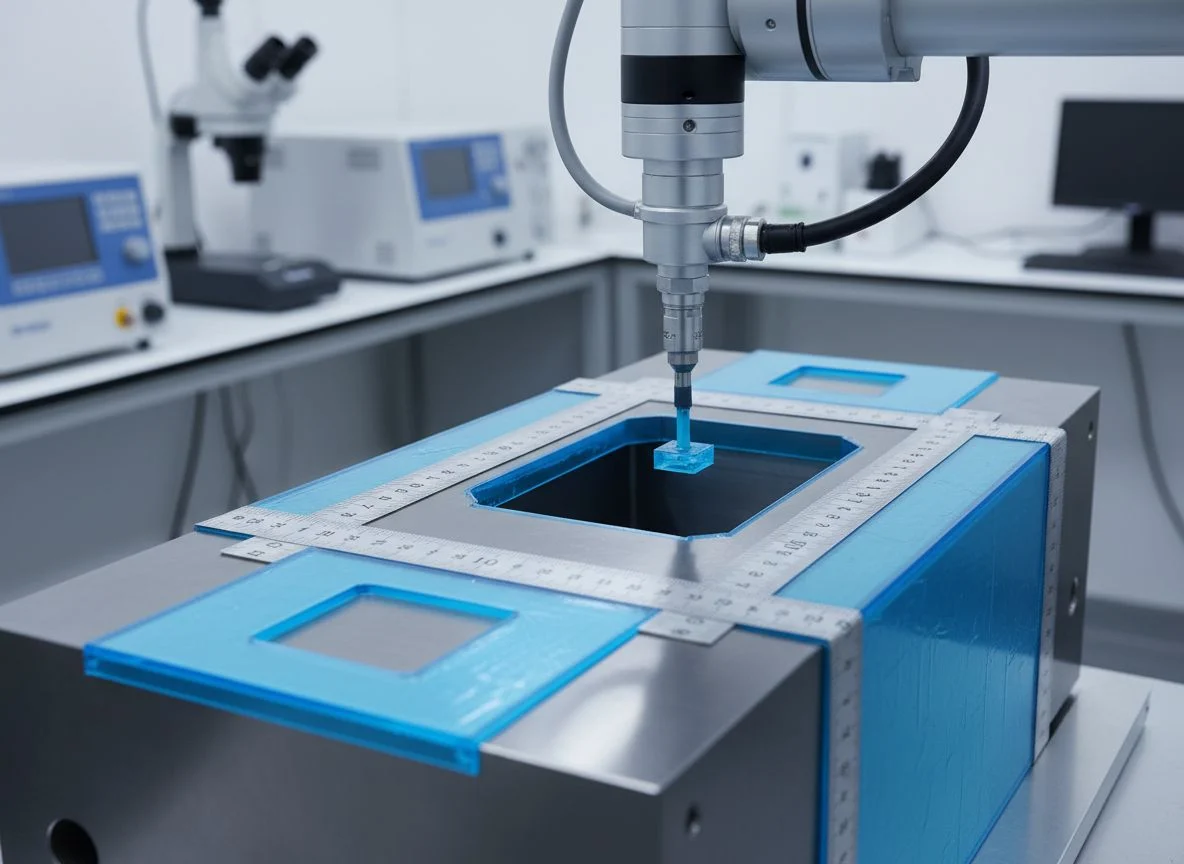
Tolerance Shielding
Using precision tapes and custom 3D-printed masks, we isolate critical features to maintain ±0.005mm dimensional integrity.
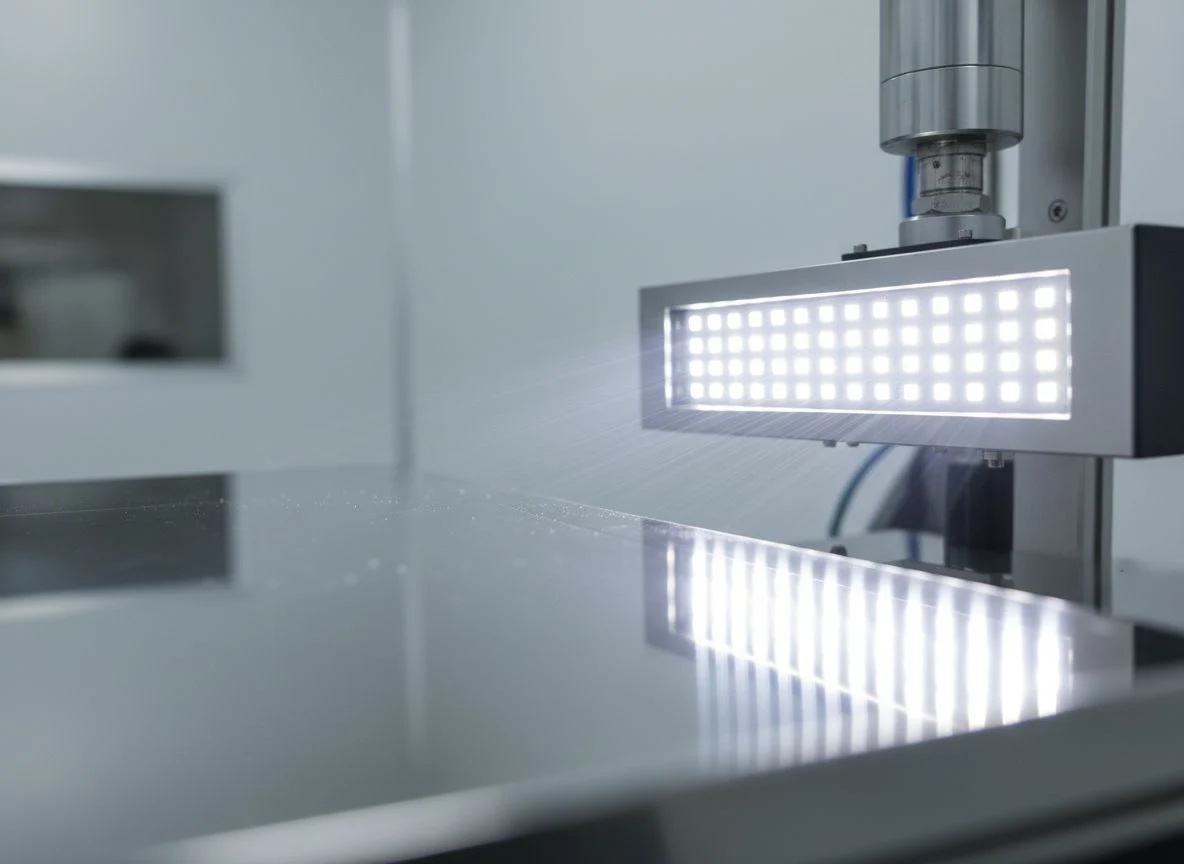
Purity Verification
inspection under high-intensity lighting ensures zero haze, no scratches, and a contamination-free surface finish.
Mastering Surface Roughness:
The Science of Ra Values & Finishing Standards
In precision polishing, Ra (Roughness Average) is the definitive metric for functional performance. ProtoBatch provides data-driven finishing to ensure your parts meet exact friction, seal, or optical requirements.
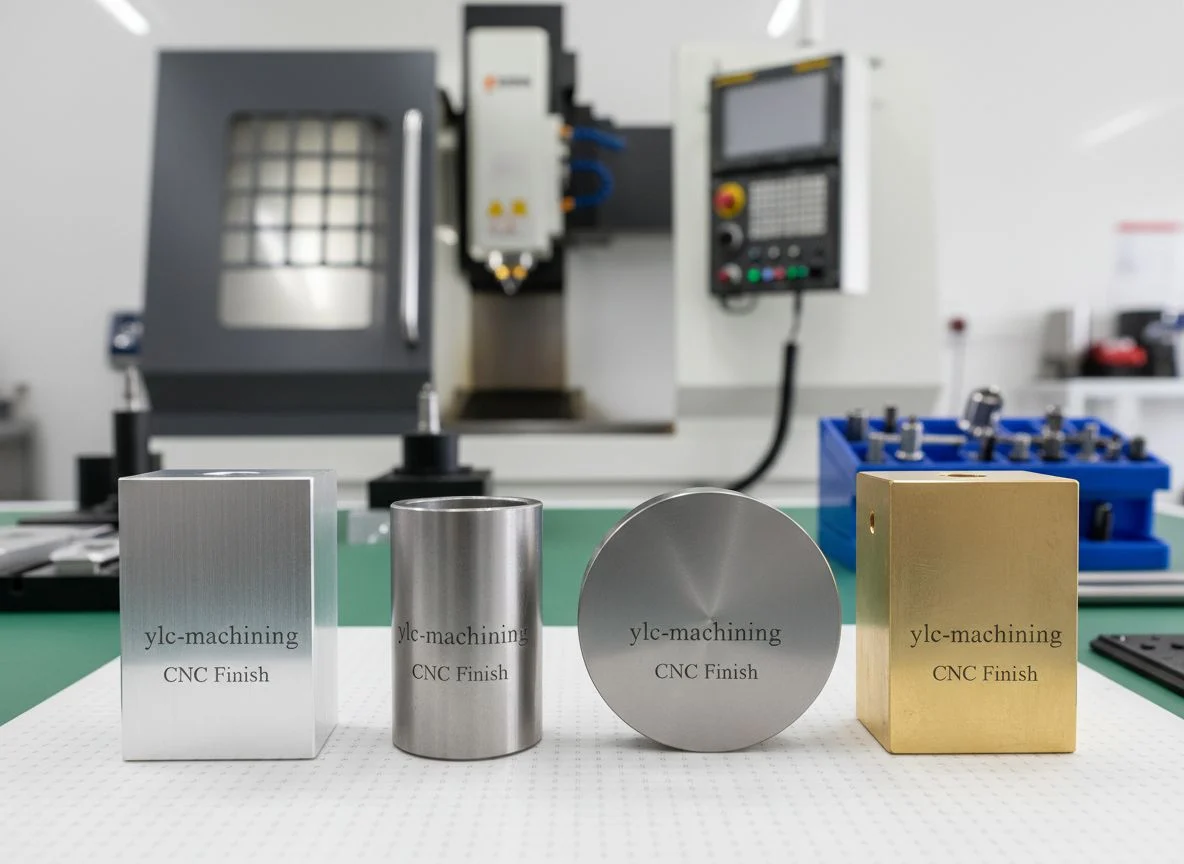
What is Ra Surface Roughness?
Ra represents the arithmetic average of profile height deviations. Our technicians use Ra measurement to quantify the transition from "machined" to "mirror-like", ensuring zero "orange peel" or surface waviness.
ylc-machining Ra0.4-3.2µm CNC Finishes
Optical-grade clarity for lens molds, surgical tools, and SPI A-1 finishes.
High-performance finish for aerospace components and decorative consumer electronics.
Standard industrial finish that eliminates tool marks for improved fatigue resistance.
The baseline CNC surface suitable for non-mating parts and general industrial use.
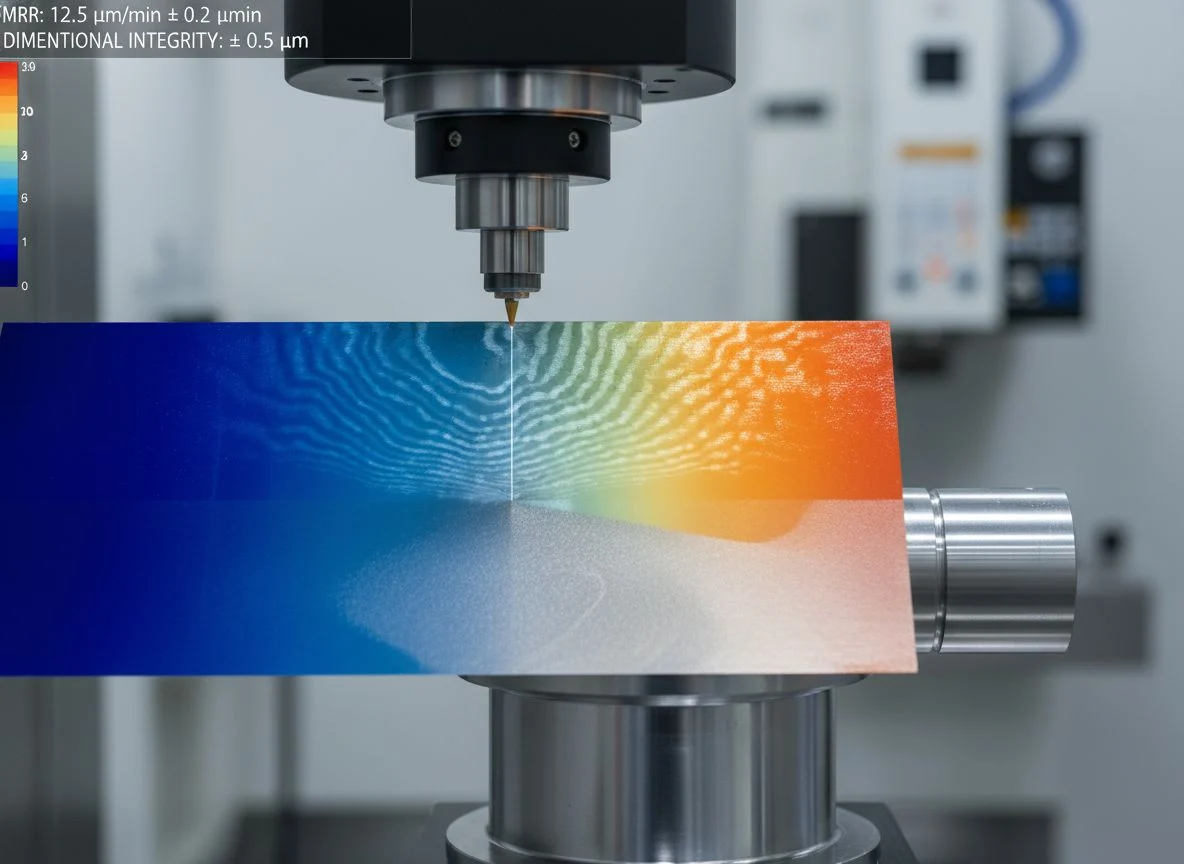
Micro-level texture profiling ensures consistent Material Removal Rates (MRR) while maintaining critical dimensional integrity.
Data-Driven Quality: Verifying Ra, Gloss, and Geometric Precision
At ylc-machining, "shiny" is not a specification—Ra is. We validate every polished surface through quantitative metrology down to 0.1μm Ra, ensuring aesthetic brilliance never compromises the technical integrity of your precision CNC components. Our quality assurance processes guarantee every detail meets ISO-certified standards with 100% accuracy.
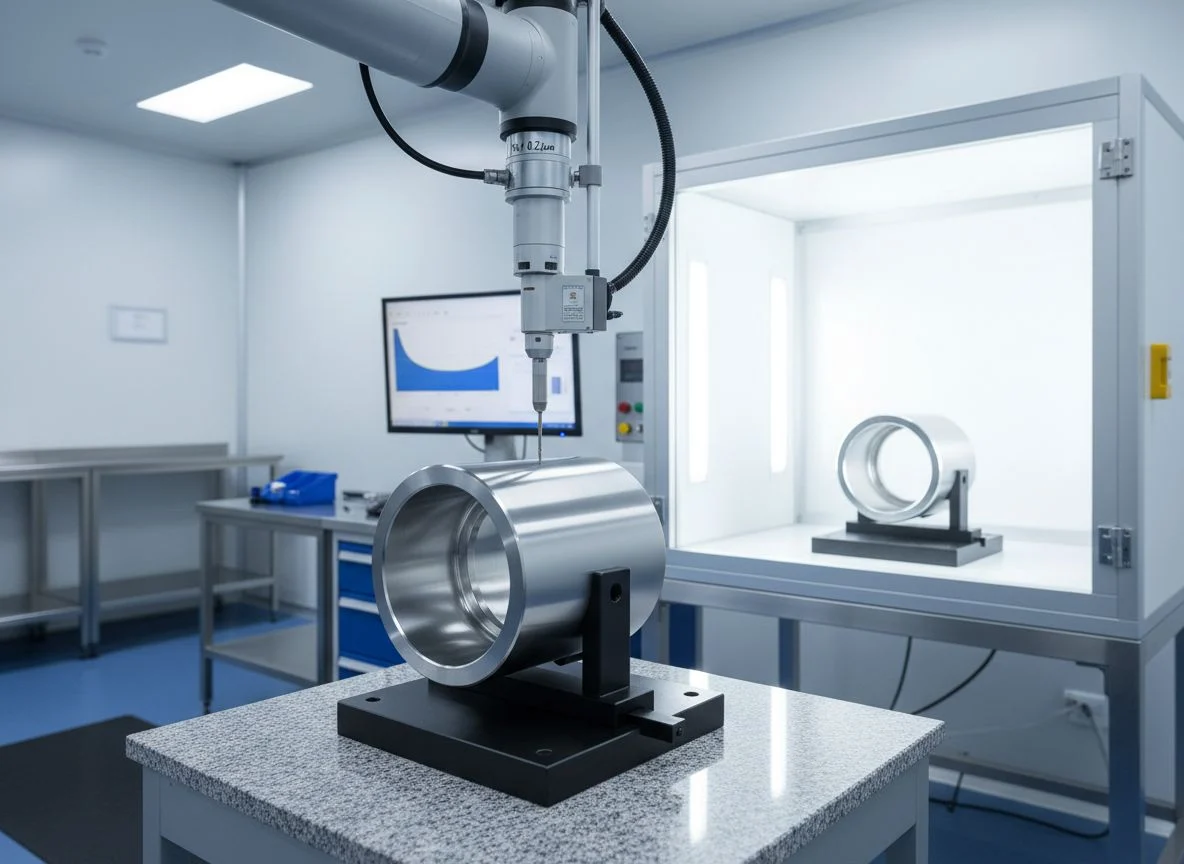
Gloss Meter Verification (GU)
We quantify specular reflection using digital gloss meters, guaranteeing 99.8% batch-to-batch consistency for consumer electronics and optical housings where precise ±1 GU reflectivity is critical.
Ra Profilometry & Visual Grading
Using contact-stylus profilometers, we certify surface roughness down to Ra 0.02µm. Every part undergoes rigorous cosmetic inspection under standardized light boxes to eliminate haze, pits, or orange peel.
Post-Polishing CMM Dimensional Verification
Because high-precision mechanical polishing involves controlled material removal, we integrate 100% CMM inspection to verify that critical dimensions—such as bearing seats and mating surfaces—remain strictly within an exact ±0.001mm tolerance zone.
Industry Applications
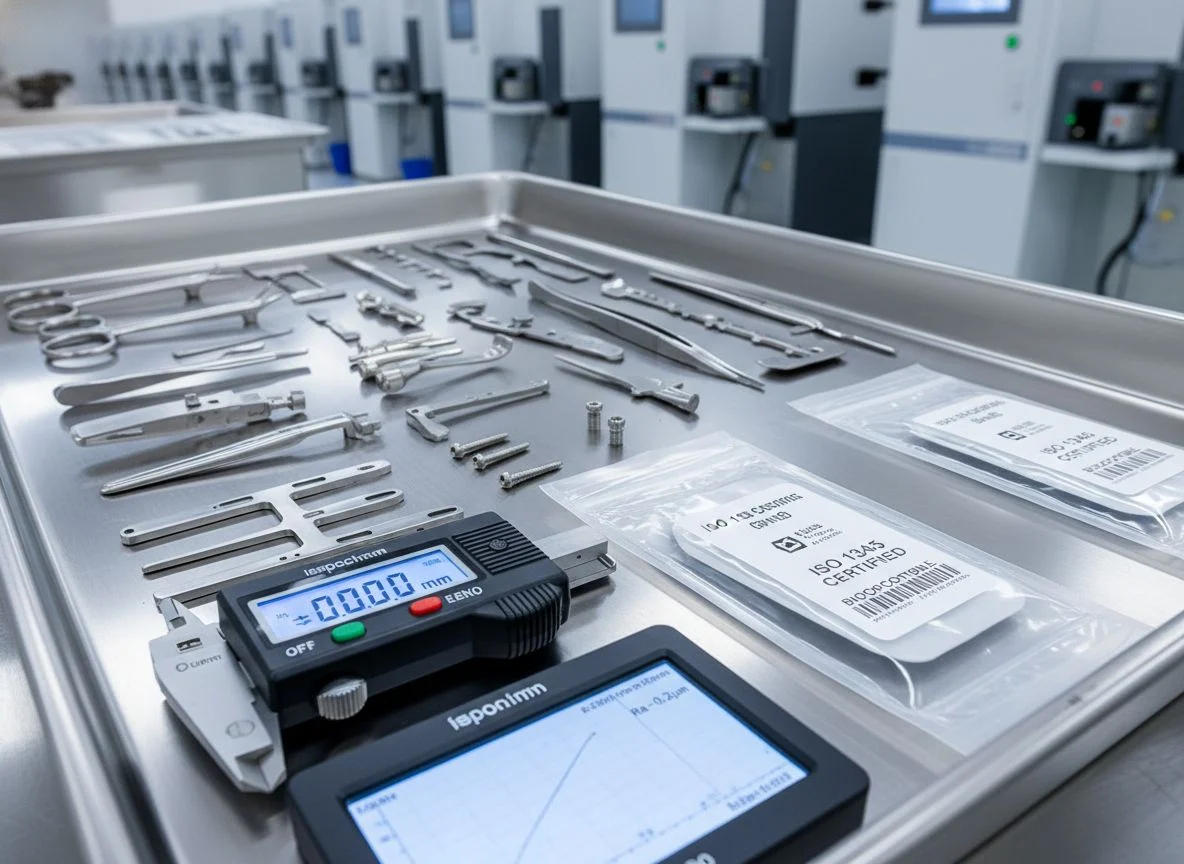
Medical & Healthcare
Delivering medical-grade electropolished surgical instruments and implants with Ra < 0.2µm. Our ISO 13485 process guarantees 100% biocompatible surfaces while strictly preserving ±0.001mm dimensional integrity, exceeding top medical industry standards.
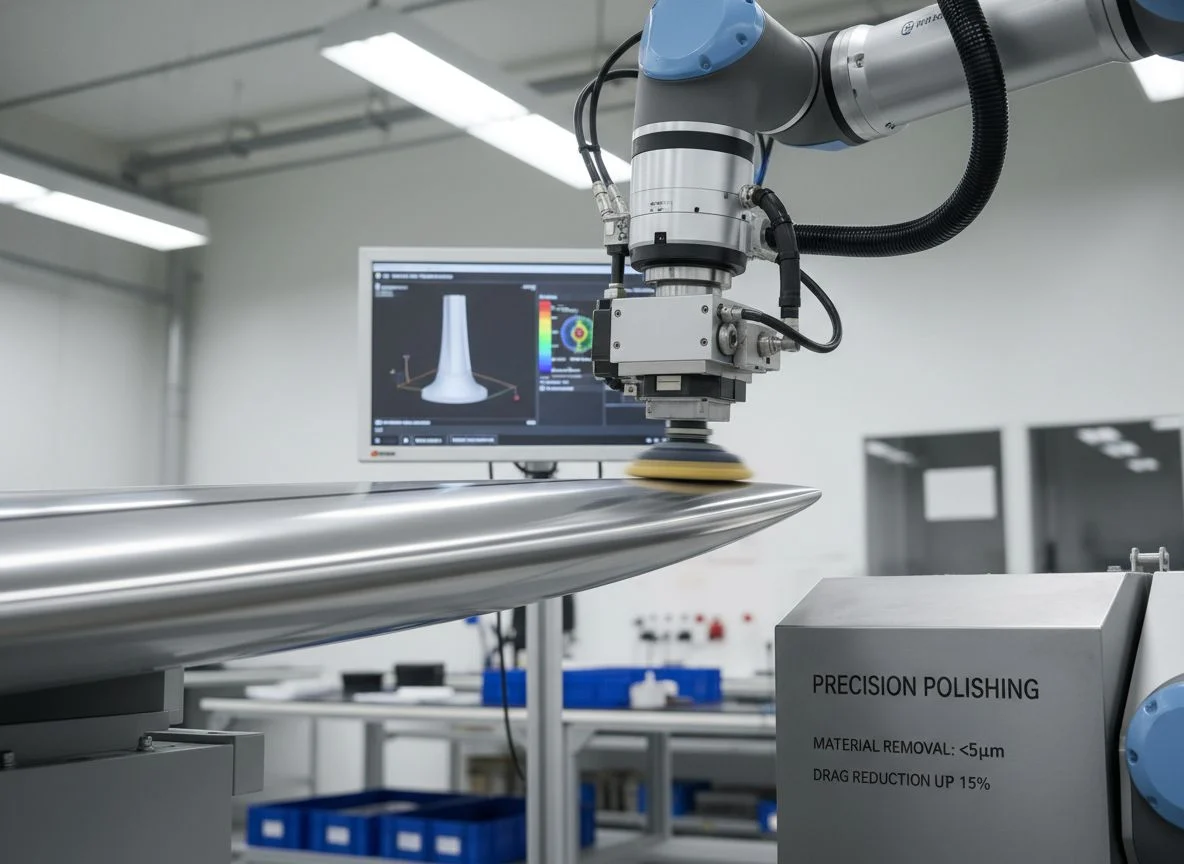
Aerospace & Defense
Precision polishing of aerospace leading edges and engine components delivers up to 15% drag reduction. We control material removal within 5µm tolerances to meet stringent AS9100 performance standards.
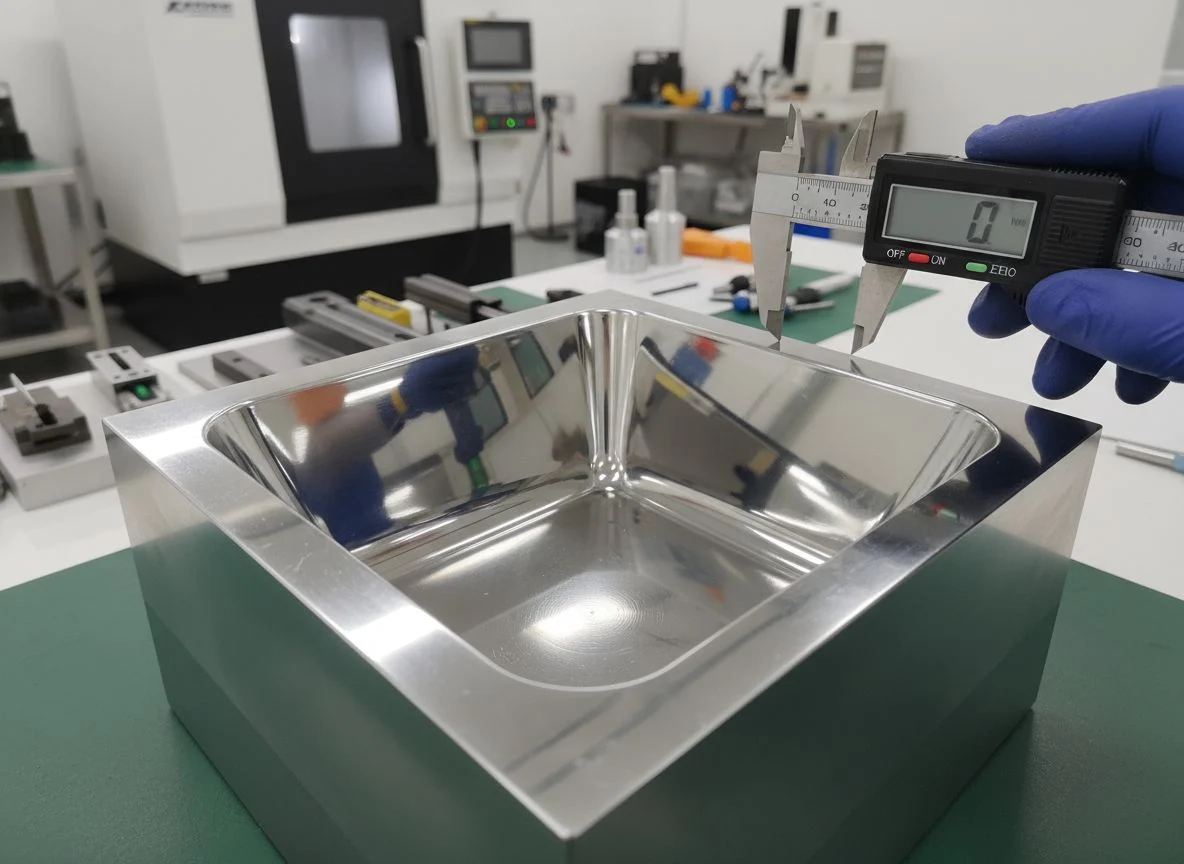
Tooling & Mold Making
Achieving SPI A-1 mirror finishes (<1µin Ra) in mold cavities ensures 100% flawless high-gloss plastic injection parts. Our edge retention techniques prevent rounding, maintaining ±0.002mm tool geometry for high-precision manufacturing.
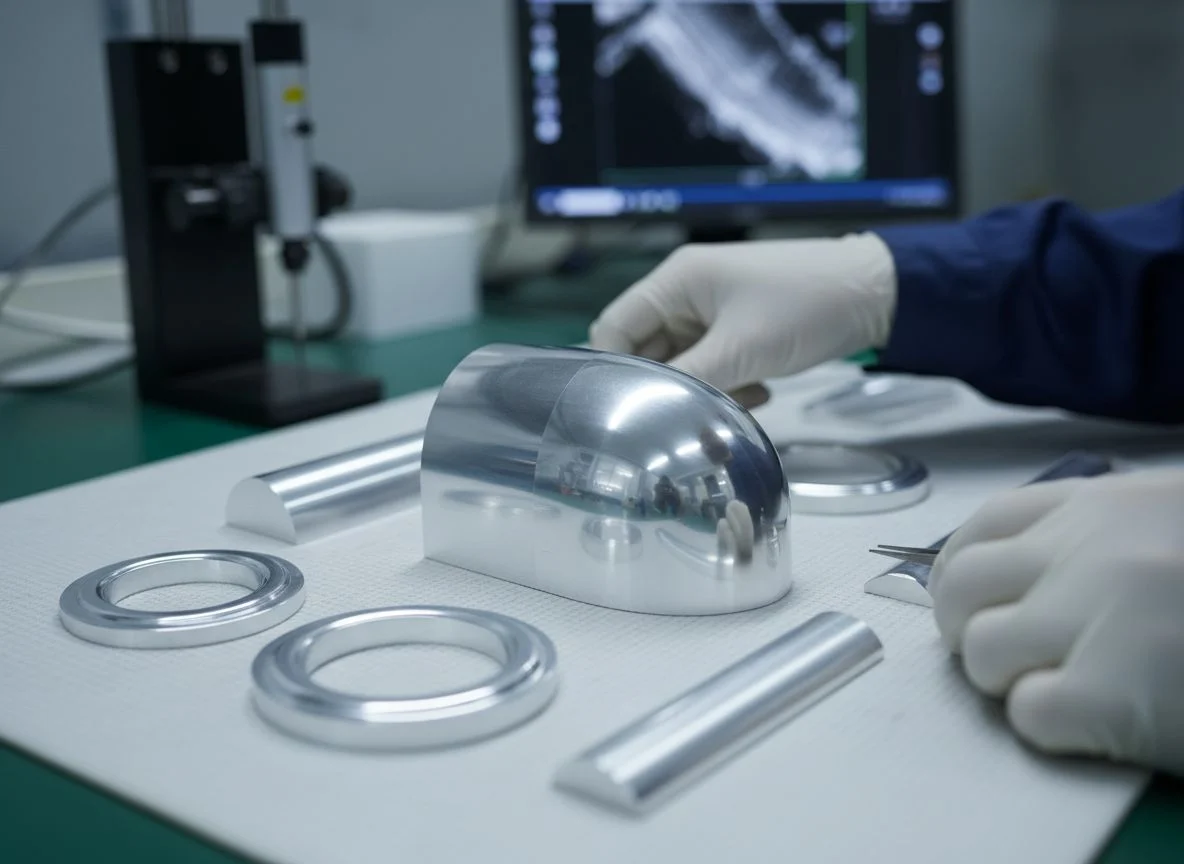
Consumer Electronics
Flawless <0.02 Ra mirror and satin finishes for aluminum housings and decorative trim. We deliver 99.8% batch-to-batch cosmetic consistency for premium, high-visibility consumer electronic components.
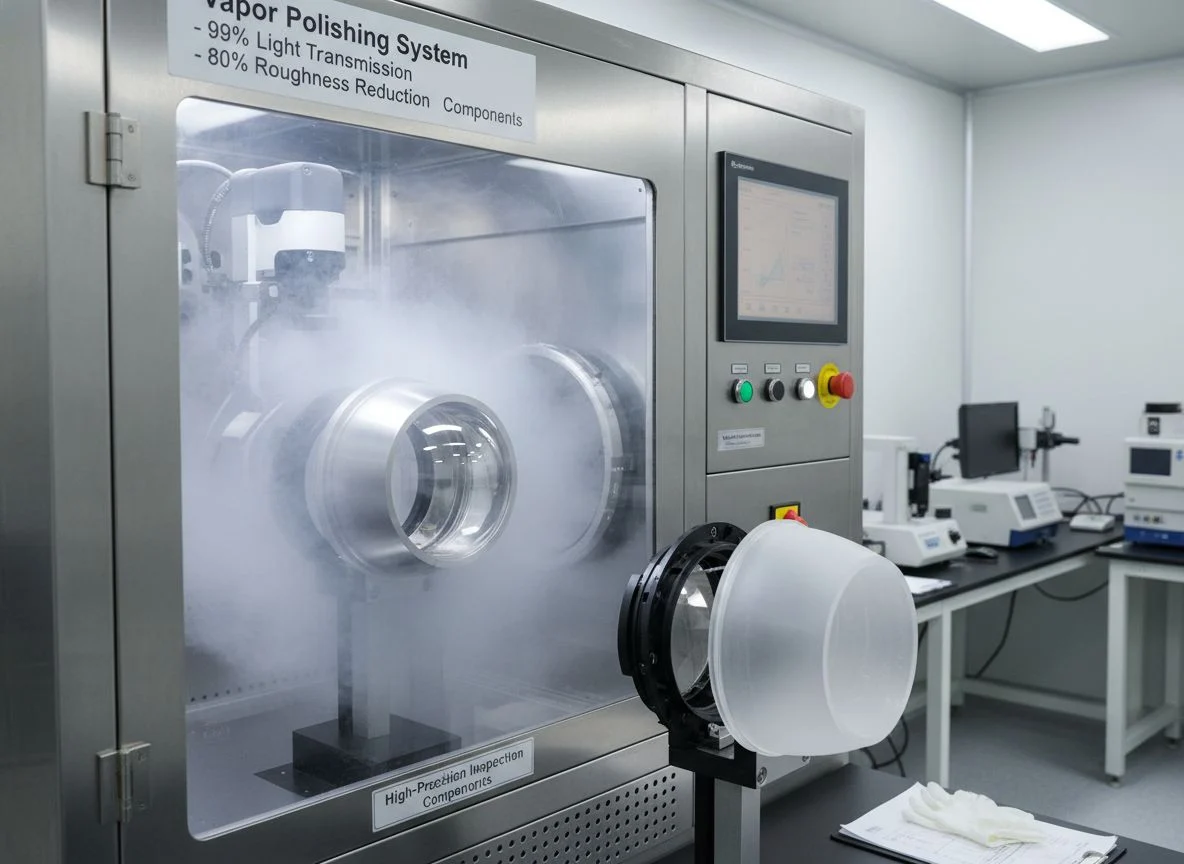
Optical Clarity Vapor Polishing
Achieve up to 99% light transmission and superior surface finish with advanced vapor polishing solutions. This process reduces surface roughness by 80%, optimizing optical clarity for high-precision inspection hardware and polycarbonate components.
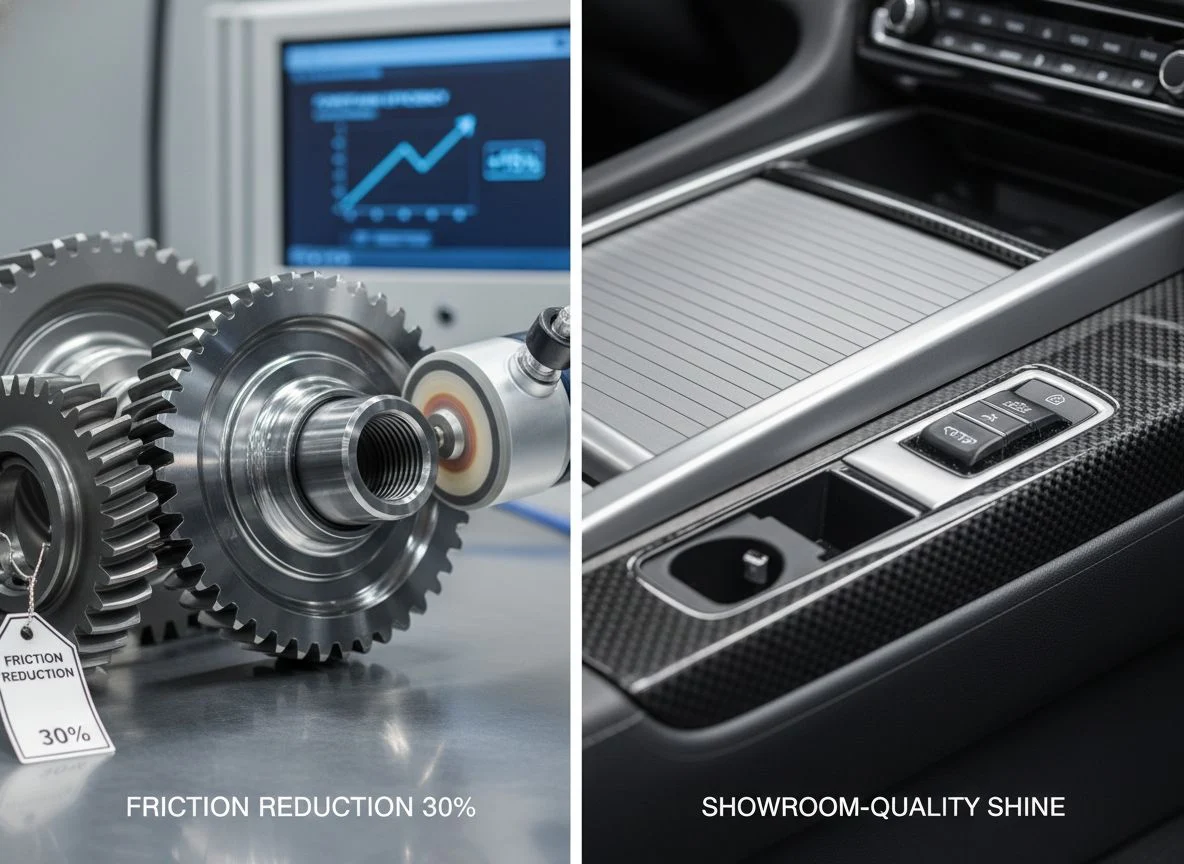
Automotive & Transportation
Enhancing powertrain efficiency by 15% and interior aesthetics through precision surface finishing. Our polishing solutions reduce transmission gear friction by 30% and deliver showroom-quality shine for decorative automotive trim.
Precision Polishing Gallery: Surface Excellence & Dimensional Integrity
Explore the ylc-machining standard of CNC surface finish. From mirror-polished medical implants to vapor-polished optical components, we deliver superior sub-0.4μm Ra values without compromising your part's critical ±0.005mm tolerances. View more in our
Expert Insights on Precision Polishing & Dimensional Integrity
Addressing the technical challenges of achieving optical-grade mirror finishes while maintaining strict engineering tolerances for medical and optical components.
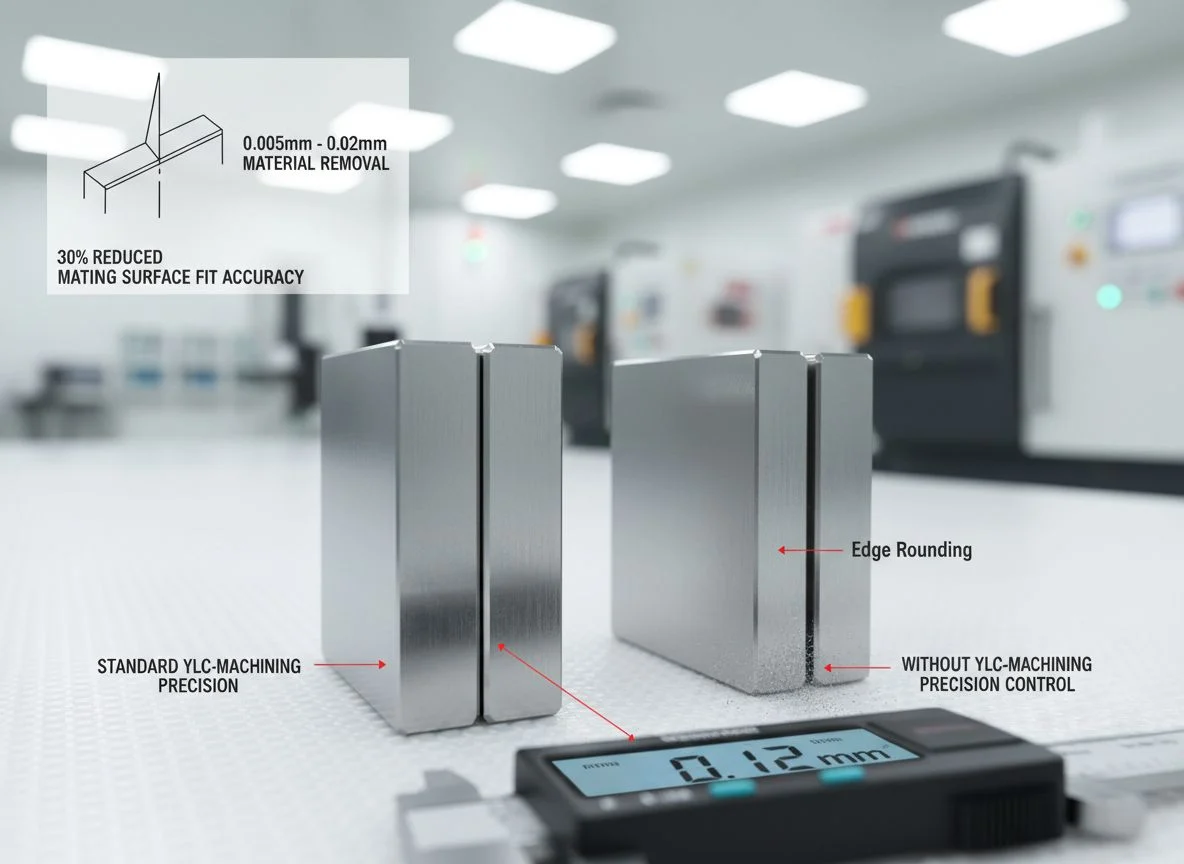
Does Polishing Affect Part Dimensions?
Yes. Mechanical polishing typically removes 0.005mm to 0.02mm of material. Without ylc-machining precision control, "Edge Rounding" occurs, reducing mating surface fit accuracy by 30%.
ylc-machining Expert Tip:
We utilize Dimensional Integrity Polishing, compensating for material removal during CNC machining to ensure tolerances remain within ±0.01mm post-finish.
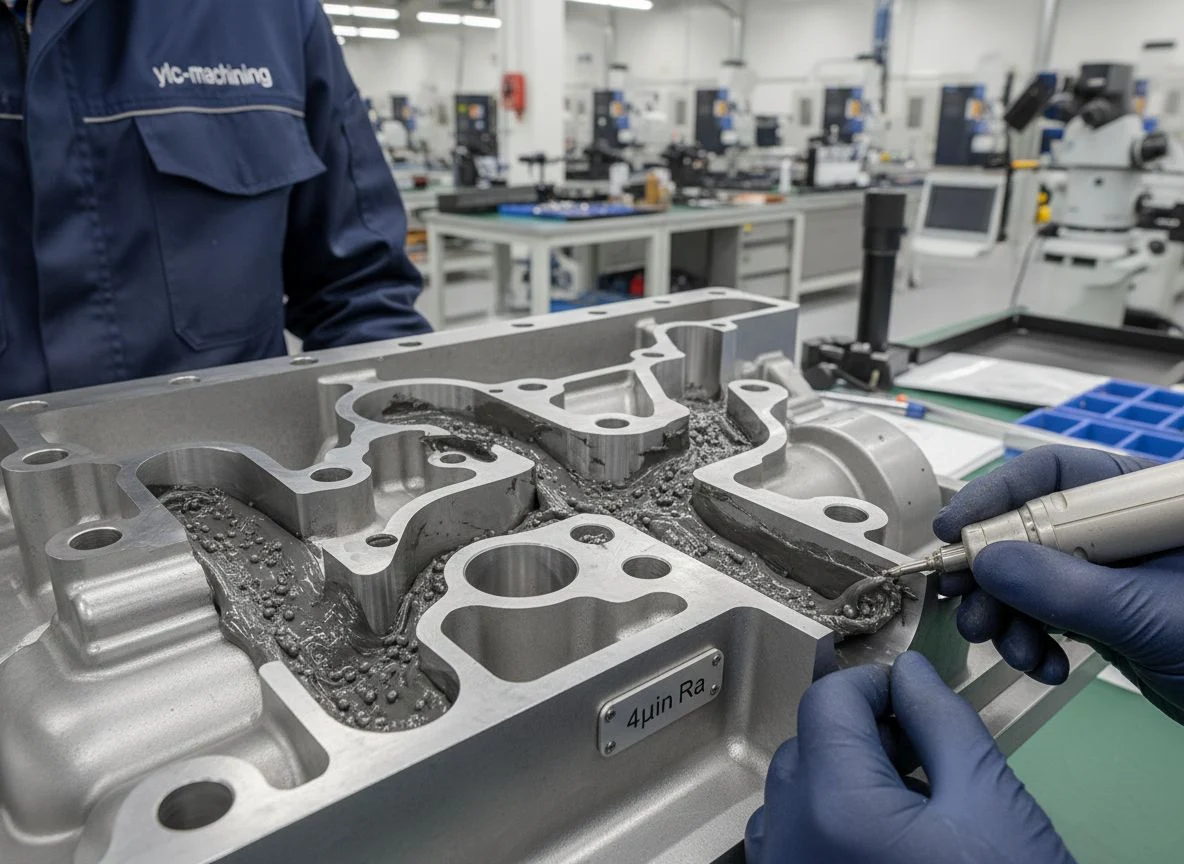
How Do You Polish Internal Cavities & Channels?
Internal geometries require specialized techniques. ylc-machining uses Abrasive Flow Machining (AFM) or manual micro-polishing to remove tool marks, achieving precise 4µin Ra finishes in manifold interiors and deep bores.
ylc-machining Expert Tip:
For transparent PC or Ultem, Vapor Polishing is the gold standard for achieving "Water-Clear" internal fluid paths where physical tools cannot reach.
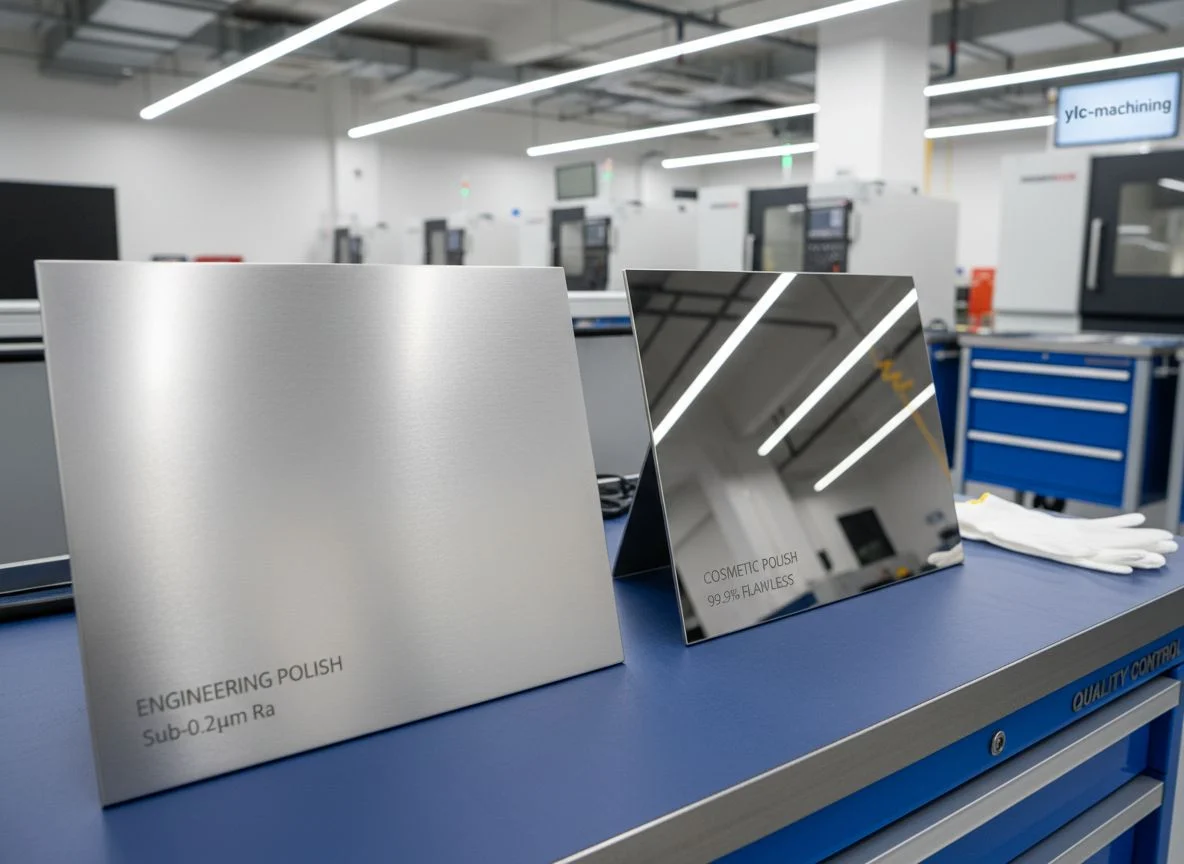
Ra Value vs. Visual Mirror Finish
A sub-0.2µm Ra (roughness average) doesn't guarantee a cosmetic mirror finish. ylc-machining distinguishes between "Engineering Polish" for mechanical function and "Cosmetic Polish" for 99.9% flawless visual reflectivity.
ylc-machiningExpert Tip:
For optical clarity, specify an SPI-A2 finish. We use diamond paste polishing to remove micro-scratches that standard abrasive pads often leave behind.
Achieve the Perfect Mirror Finish
From optical-grade prototypes to 10,000-part mass production, precision CNC machining (±0.005mm accuracy) is combined with expert polishing for sub-0.1μm surface finishing. Upload your 3D CAD drawings and specify target Ra values to get a 100% Ra-certified quote from our ISO 9001 facility.